
Public sector resilience
Support critical public loads with transparent sequencing, labeled educational demos, and evidence-led delivery.
The problem
Critical services need dependable power and clear accountability—not opaque vendor claims.
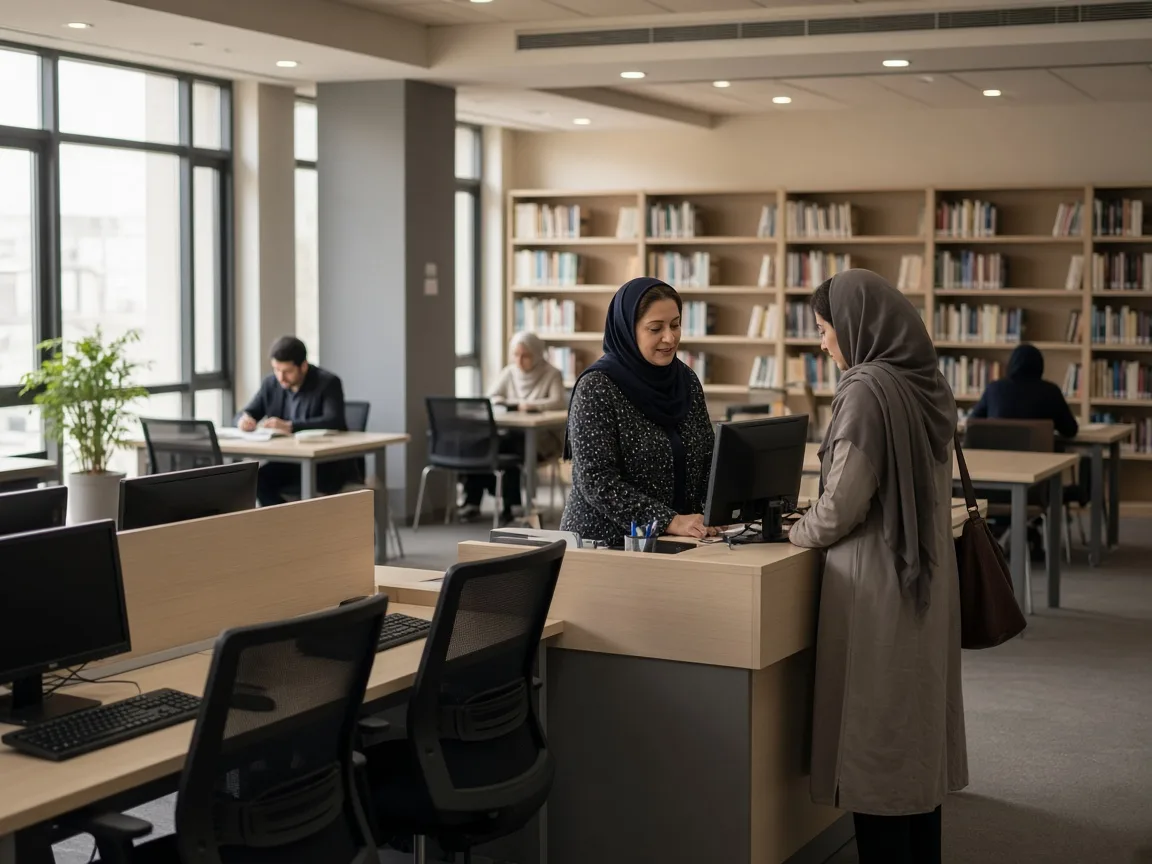
The Solarun approach
We separate what labeled campus simulations teach from what field engineering must prove, then deliver documented systems with measured evidence where available and honest projected labeling where not.
- Document the public services that must stay available.
- Sequence campus loads operators can rehearse.
- Keep educational simulations clearly labeled.
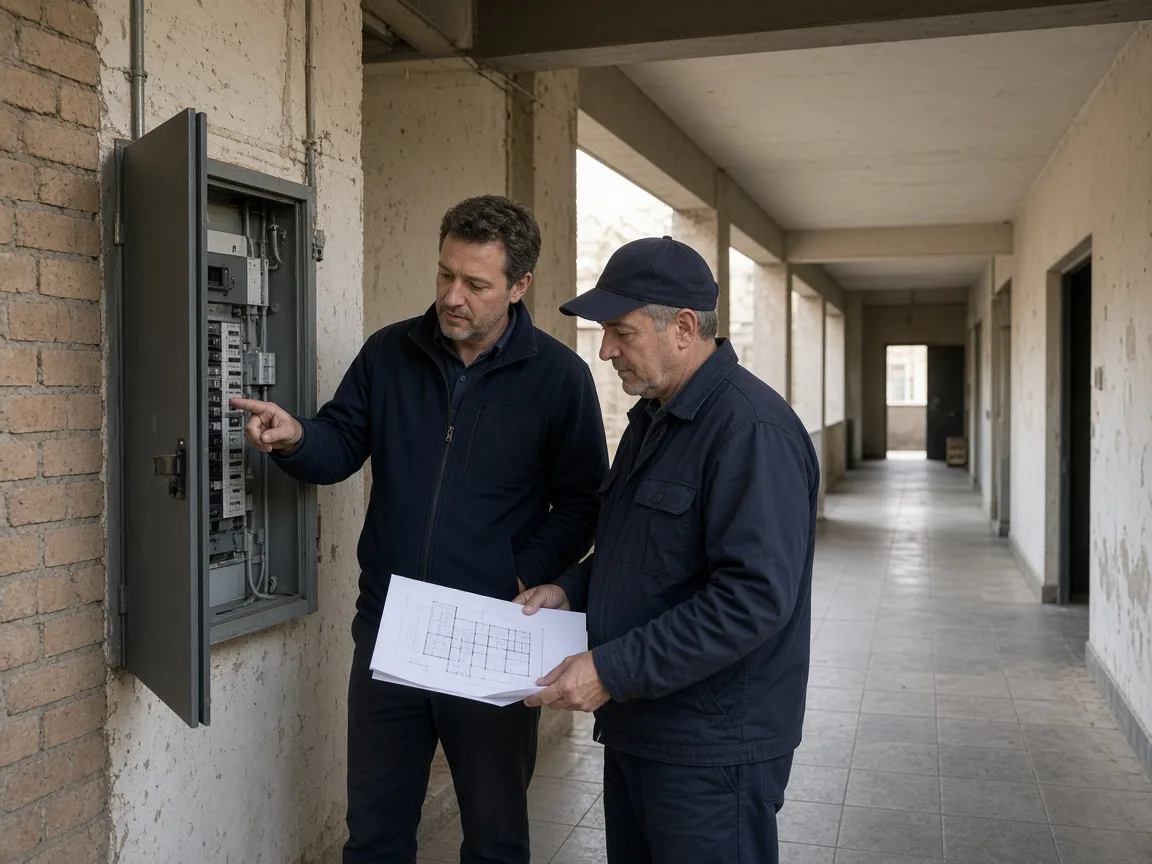
How a public-sector engagement works
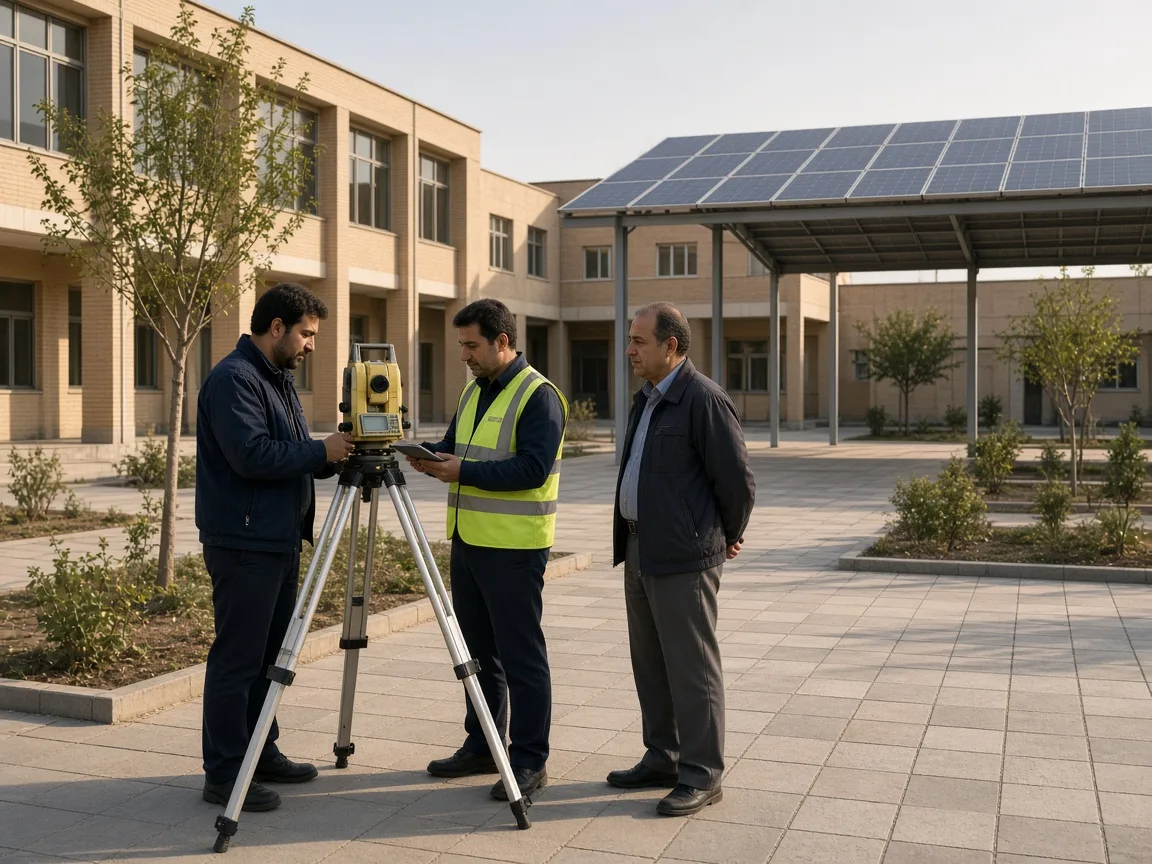
Separate educational simulations from field obligations before any procurement story.
Sequence critical public loads with transparent evidence requirements.
Deliver documented systems with measured results where available and honest projected labels where not.
System boundaries. The campus islanding demonstration is a teaching tool. Field protection, interconnection, and public procurement remain separate obligations.
How solar and battery support a campus.
Solar panels generate electricity that can serve household loads or charge a home battery. The battery may support selected loads. The home can still exchange electricity with the utility grid. Solarun software coordinates compatible devices over a separate digital control path; electricity does not flow through the software platform.
Physical energy flow
Digital control and coordination
- Physical electricity
- Data and control
Read the diagram explanation
Solar panels generate electricity that can serve household loads or charge a home battery. The battery may support selected loads. The home can still exchange electricity with the utility grid. Solarun software coordinates compatible devices over a separate digital control path; electricity does not flow through the software platform.
Planning scenarios
Educational campus scenarios separate teaching tools from field engineering. They do not report invented municipal capacity.

Illustrative planning scenario
Planning scenario: municipal campus resilience in Isfahan
Educational scenario for a municipal campus in Isfahan. Not a completed public works trophy and not operated from a browser.
Needs
Critical public loads need a transparent sequence; political language often oversells islanding.
Proposed approach
Advisory sessions separate the website demonstration from field engineering. Commissioning notes capture transfer cues.
Scope limitations
Procurement rules remain the buyer’s. No RFP upload exists on this website.
Services, reading, and questions
Related questions
Can the campus islanding demonstration run a real campus?
No. It is a labeled educational simulation on this website. Field islanding requires engineering, protection studies, and commissioning that cannot happen in a browser.
What should public buyers ask for in evidence?
Ask for dated assumptions, residual-risk language, commissioning notes, and whether a figure is measured, projected, or educational. Solarun publishes metrics and certificates only when they are approved and in date. Empty evidence is replaced with process explanation, not invented proof.
Knowledge Hub
Engineering and market intelligence
What customers can expect from a Solarun engagement
Written assumptions, rehearsed backup, labeled residual risk, and no invented testimonials.
Read article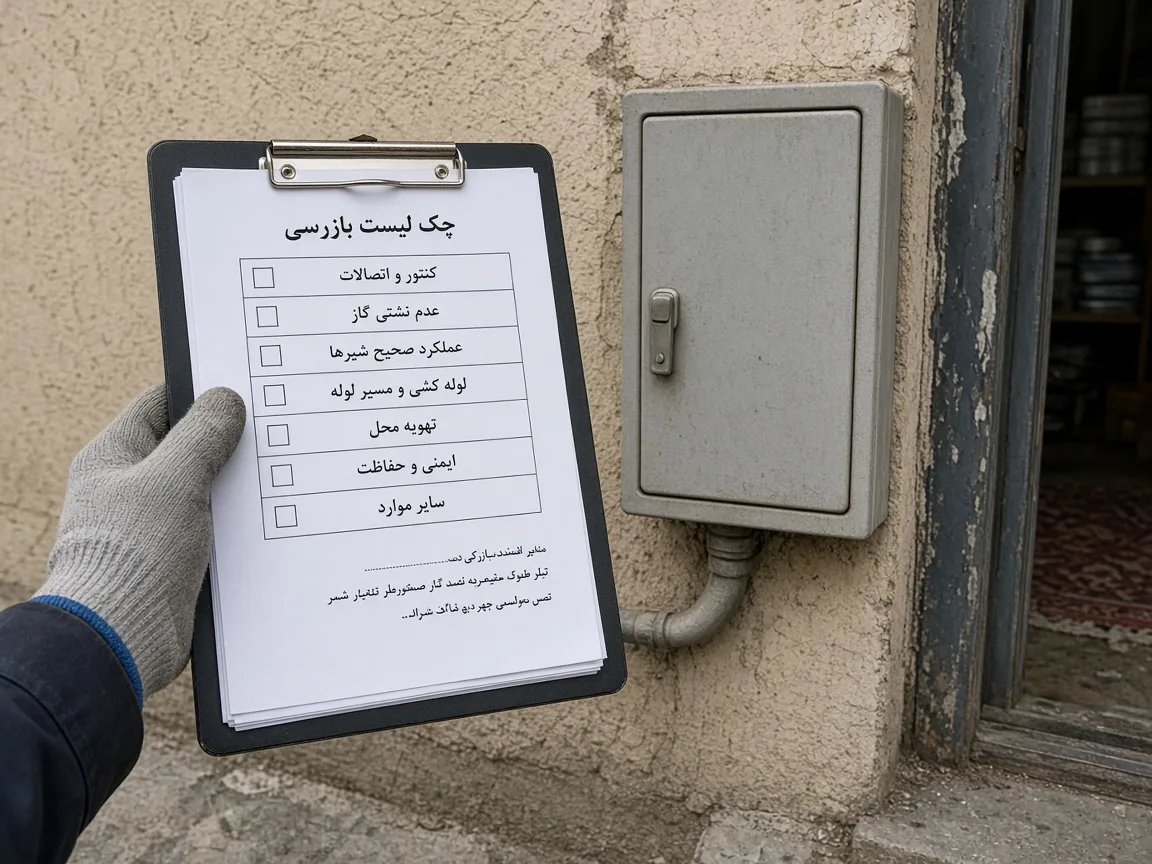
Engineering and market intelligence
A plain interconnection checklist
Owner signatures, metering, protection intent, and outstanding utility items—without a fake approval date.
Read article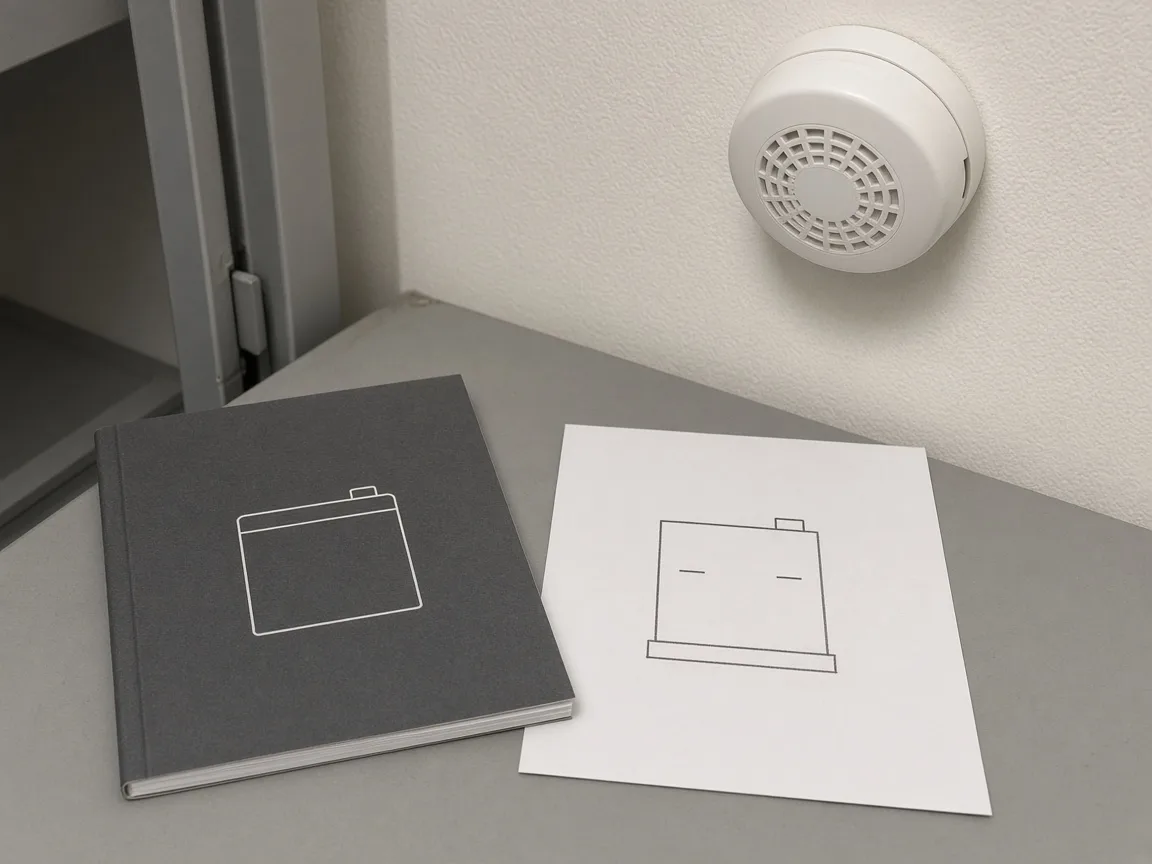
Engineering and market intelligence
Storage safety documents you should actually receive
Siting, clearances, and fire-safety paperwork as a handover expectation—not a certification logo wall.
Read article


Plan backup power for public services.
Select your priorities to start a focused consultation.