
Residential resilience
Keep priority home circuits available through multi-hour outages—with solar, storage, and VPP-ready controls sized to what matters.
The problem
Evening interruptions break work, comfort, and safety. Generic solar quotes rarely name which circuits stay up—or for how long.
The Solarun approach
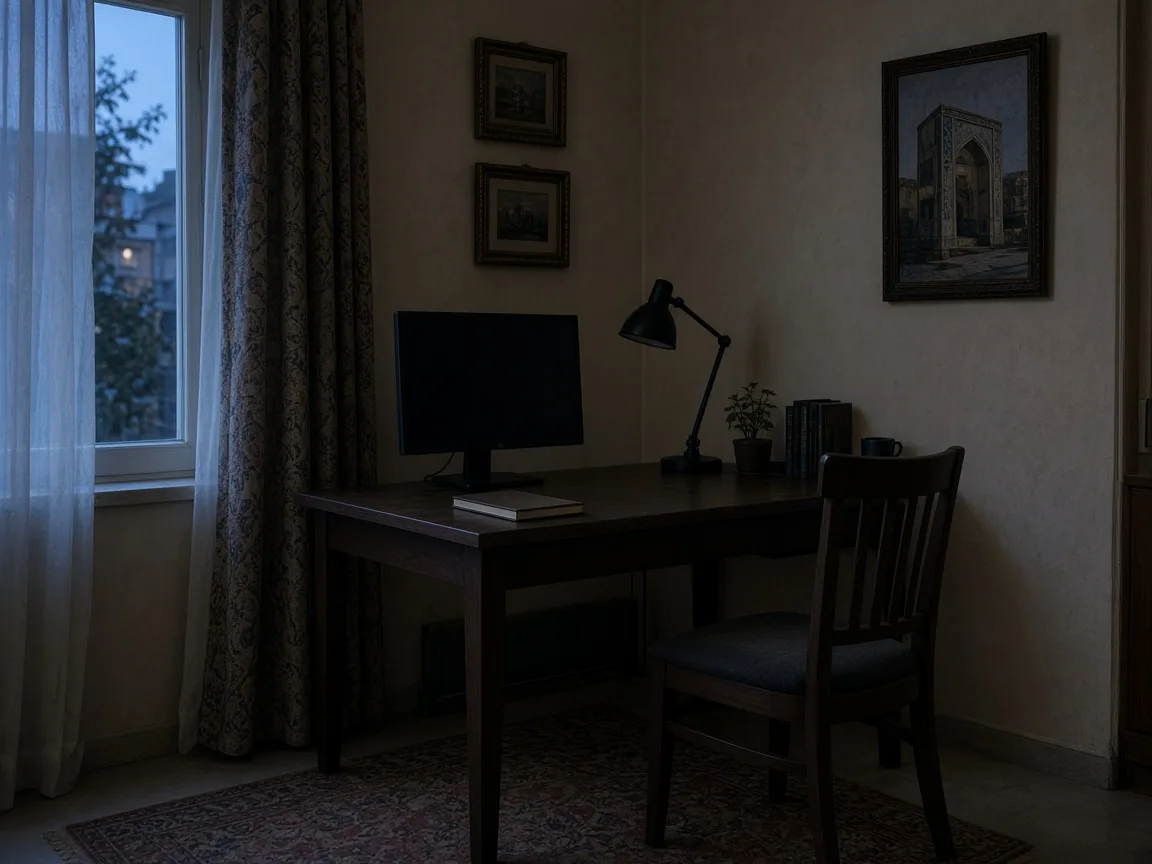
We start with a written critical-load list, size solar and storage around those priorities, and connect eligible systems to Solarun’s established VPP. Whole-home coverage is an explicit scope—not the default promise.
- Name the circuits that must stay available.
- Size solar and storage to that written list.
- Commission backup behavior you can rehearse.
How a home engagement works
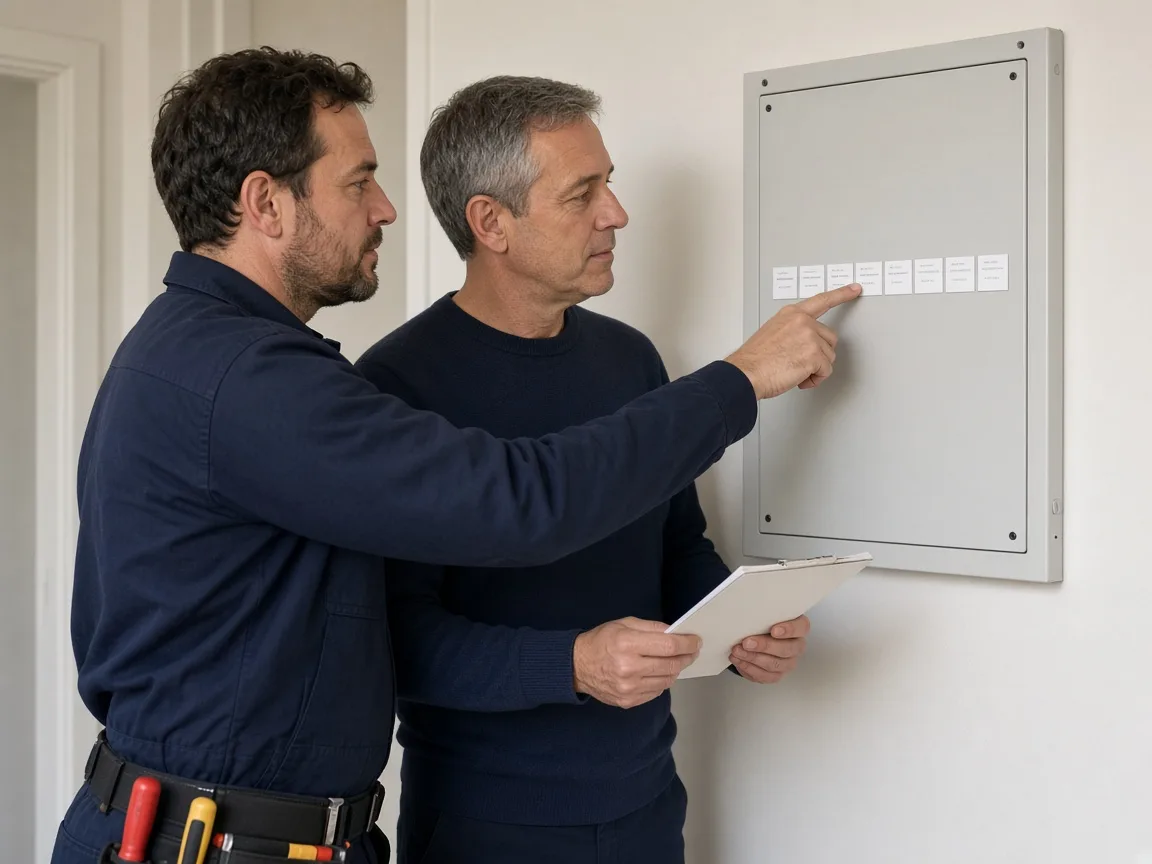
Map priority circuits and outage patterns with you
not a one-size quote.
Size solar and storage to those critical loads, with whole-home as an explicit option.
Commission backup behavior you can rehearse, and connect eligible systems to Solarun’s VPP.
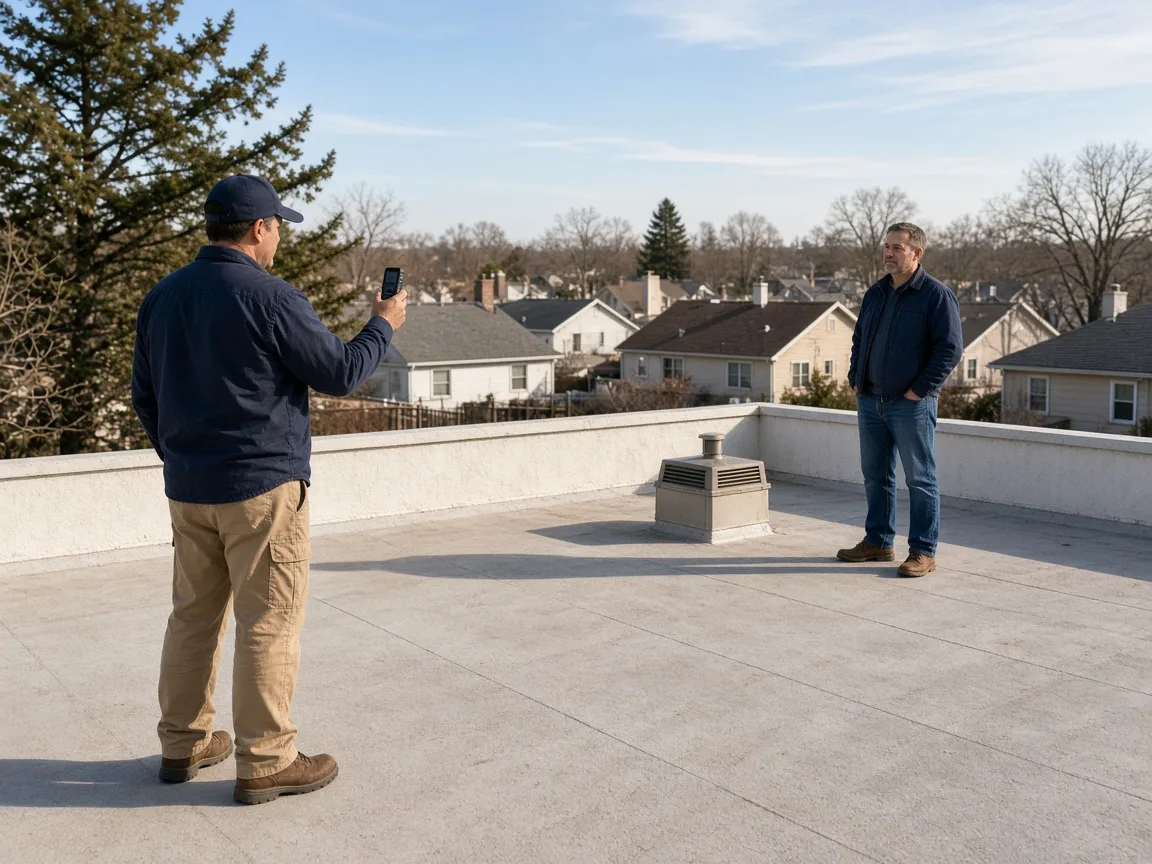
System boundaries. Whole-home backup, EV charging, and air conditioning are explicit later options unless they appear on the written load list. Calculator ranges are planning tools, not a quote.
How solar and battery power your home.
Solar panels generate electricity that can serve household loads or charge a home battery. The battery may support selected loads. The home can still exchange electricity with the utility grid. Solarun software coordinates compatible devices over a separate digital control path; electricity does not flow through the software platform.
Physical energy flow
Digital control and coordination
- Physical electricity
- Data and control
Read the diagram explanation
Solar panels generate electricity that can serve household loads or charge a home battery. The battery may support selected loads. The home can still exchange electricity with the utility grid. Solarun software coordinates compatible devices over a separate digital control path; electricity does not flow through the software platform.
Planning scenarios
Educational household scenarios show how we prioritize loads. They are labeled as planning narratives, not measured customer results.

Illustrative planning scenario
Planning scenario: prioritizing villa loads near Karaj
This is an educational planning scenario for a family home near Karaj. It is not a verified customer project and does not report measured kilowatt-hours.
Needs
Evening interruptions disrupt homework, food storage, and phone charging. A whole-home promise would hide the real constraint: battery hours.
Proposed approach
Rank circuits, set a backup-hours goal the household can live with, and keep whole-home coverage as an explicit later option.
Scope limitations
Roof structure, shading, and interconnection remain site-specific. Calculator ranges are not a design.
Services, reading, and questions
Related questions
Does home solar include whole-home backup by default?
No. Solarun treats whole-home backup as an explicit engineering option. Default planning is critical-load first so the system you commission matches the evenings you actually live.
How should we choose backup hours at home?
Start with a short critical-load list—typically lighting, refrigeration, communications, and any medical devices you actually use—and a duration you can live with. Whole-home coverage is a larger, explicit scope. The home resilience calculator explores ranges; a feasibility study writes the list you will design against.
Where can a home battery be installed?
Location depends on manufacturer clearances, ventilation, and local rules. We document siting during design and do not place cabinets in egress paths. Warranty language on this site only appears when an approved claim is in date; otherwise we point you to the contract pack.
Knowledge Hub

Engineering and market intelligence
What customers can expect from a Solarun engagement
Written assumptions, rehearsed backup, labeled residual risk, and no invented testimonials.
Read article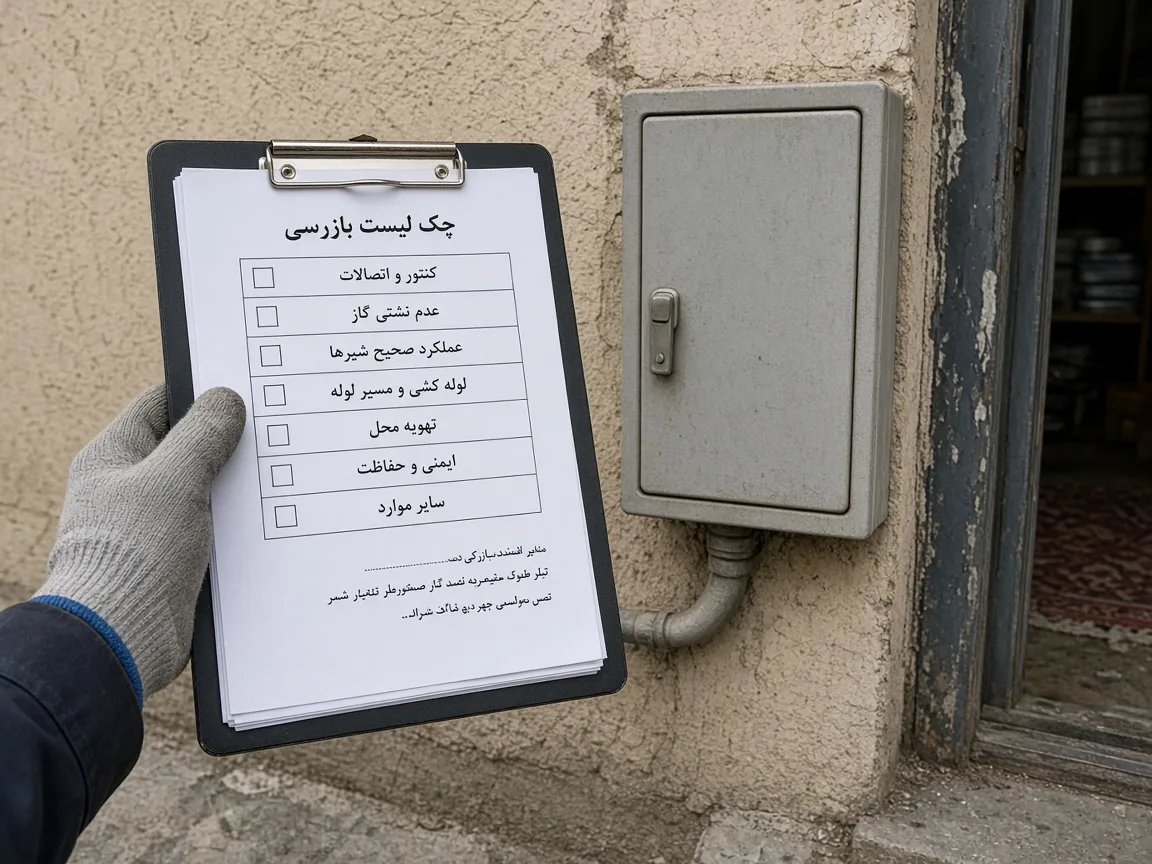
Engineering and market intelligence
A plain interconnection checklist
Owner signatures, metering, protection intent, and outstanding utility items—without a fake approval date.
Read article
Engineering and market intelligence
Storage safety documents you should actually receive
Siting, clearances, and fire-safety paperwork as a handover expectation—not a certification logo wall.
Read article


Plan backup power around your home.
Select your priorities to start a focused consultation.